
EMERGENCY ROOM EXPERIENCE
How might we improve patients' experiences in emergency rooms, to increase their trust and confidence in the hospital?

Emergency rooms are inherently stressful. Anxiety increases when patients mistrust the facility. To tackle this issue, we applied a human-centered design approach to emergency care -- diagnosing systemic pain points, prototyping solutions, and validating improvements through iterative patient feedback. By balancing both clinical timeliness and patient experience, we aimed to foster trust and reduce stress in emergency care.
SERVICES
-
UX Leadership
-
UX Research
-
Service Design
CLIENT
US Federal Government, Executive Branch
Impact
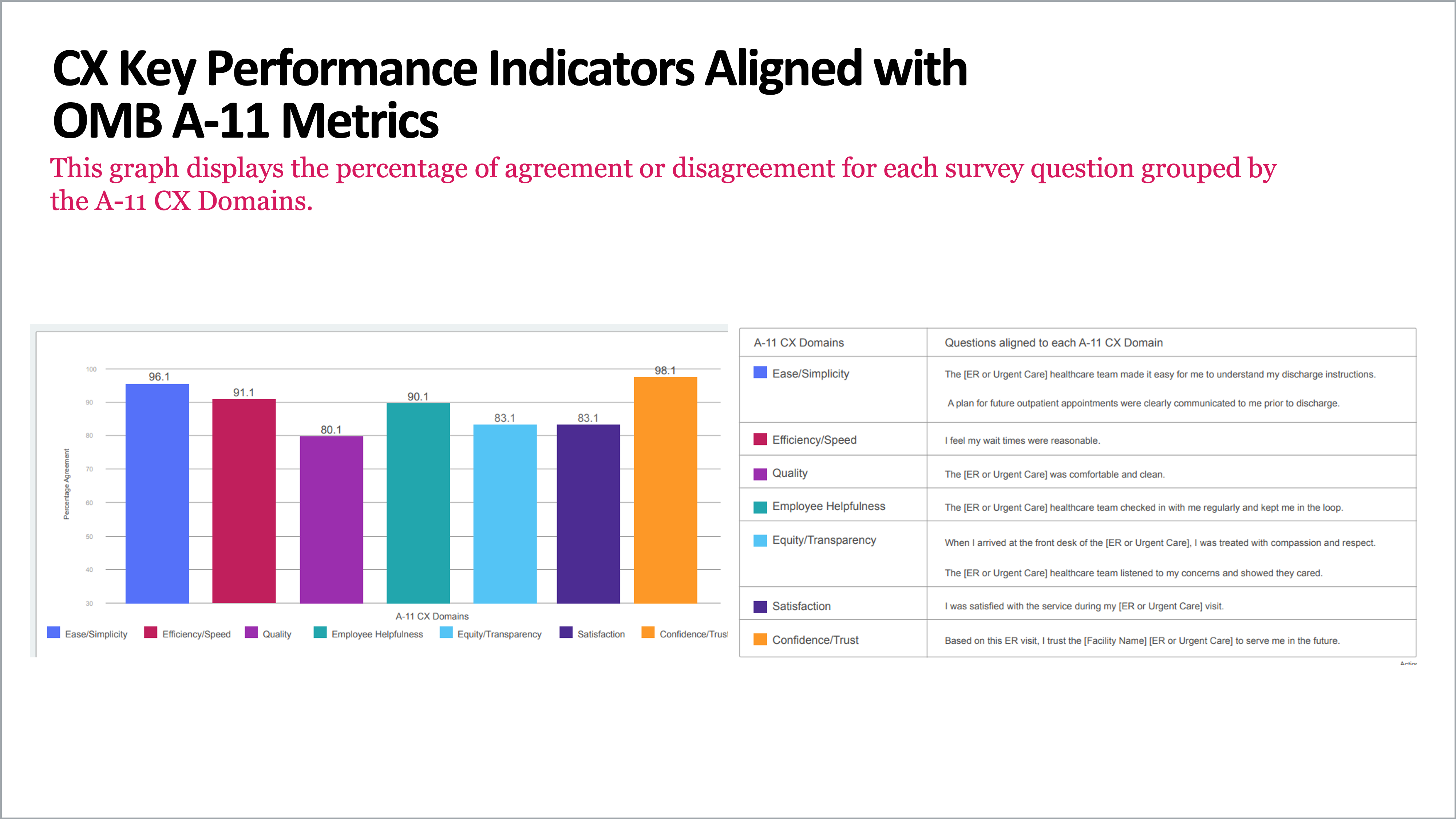
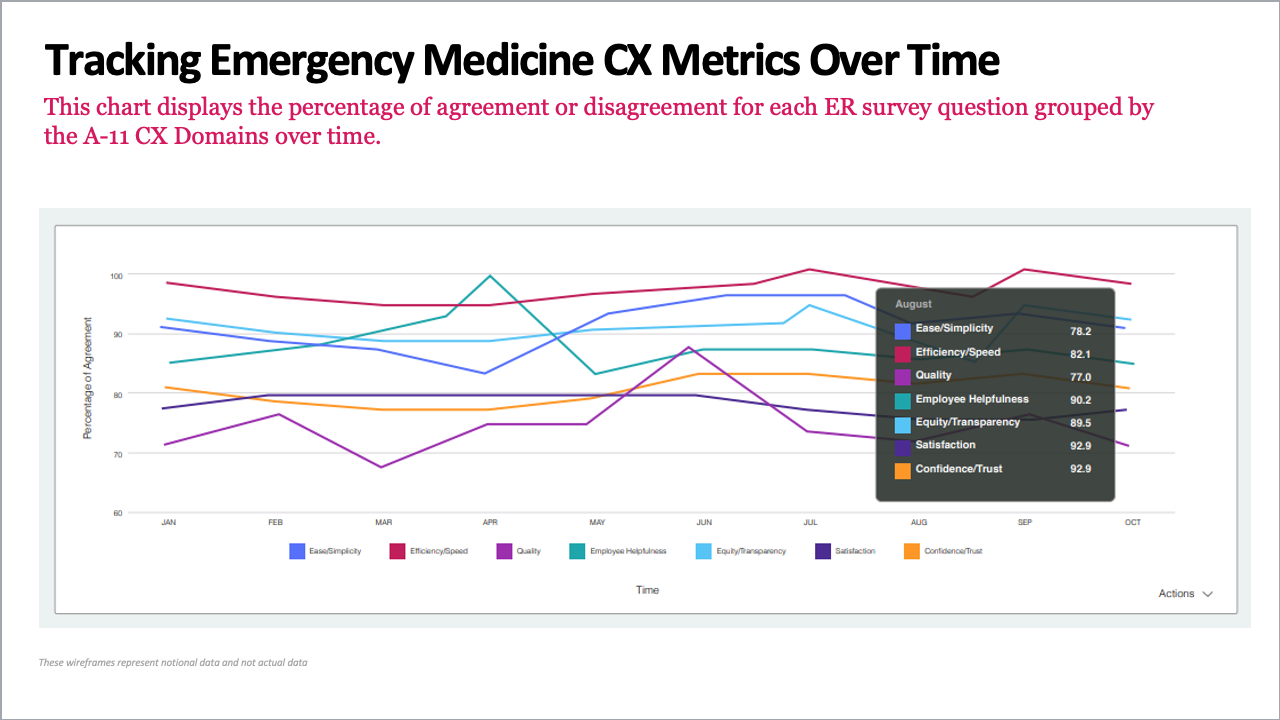
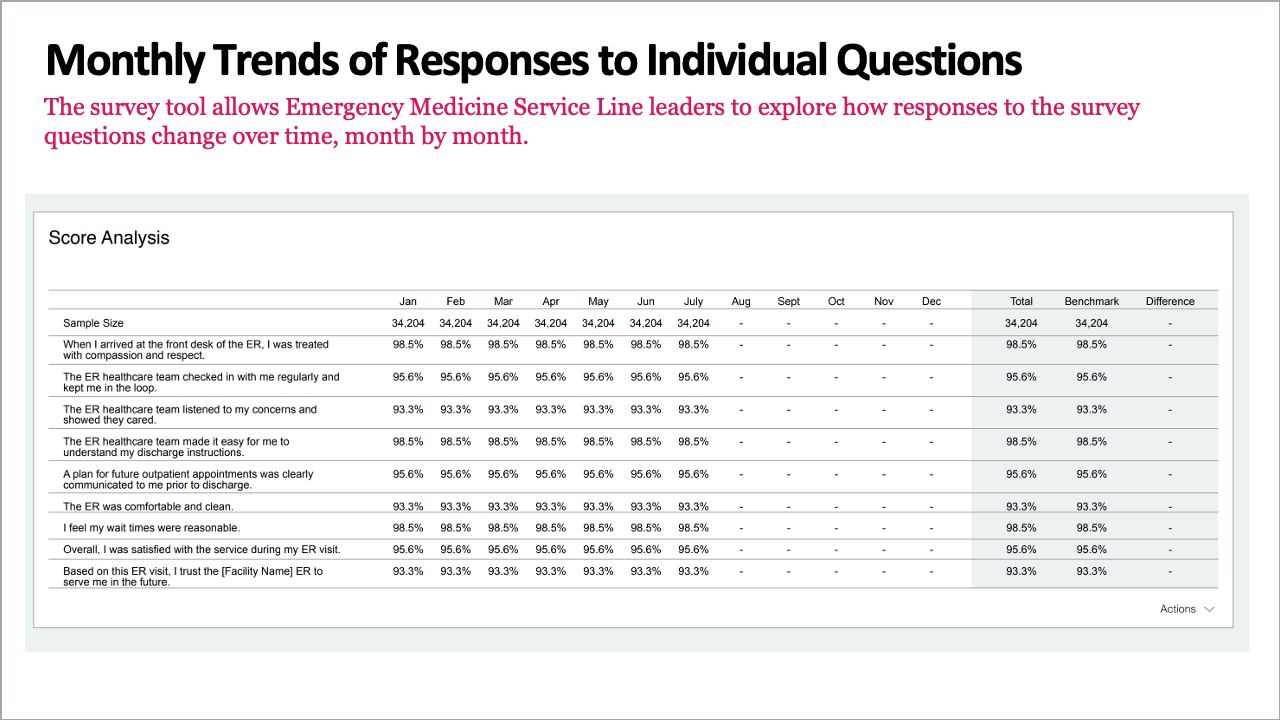
Post-implementation customer surveys demonstrated measurable improvements across key metrics for patients:
+7% Trust Score improvement
+5.5% Ease Score improvement

Field Research


Meet our Users!


Synthesis and Ideation
Following seven site visits with dozens of participants, we synthesized our findings with a design-thinking methodology that enabled us to:
-
Systematically identify key themes and patterns in user needs
-
Pinpoint critical intervention opportunities
-
Develop targeted solutions with the highest potential value

Low-Fidelity Concepts


Concept Testing


Higher-Fidelity Solutions


Solution Testing Results


Measure Impact
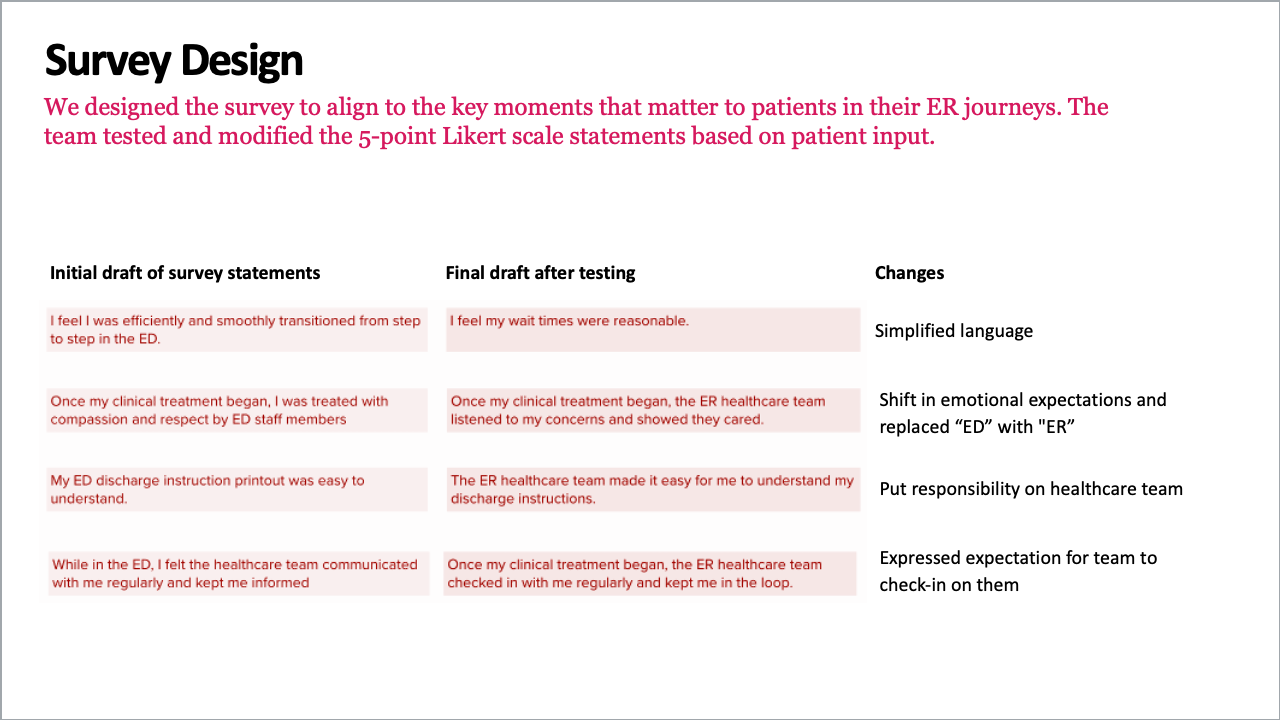
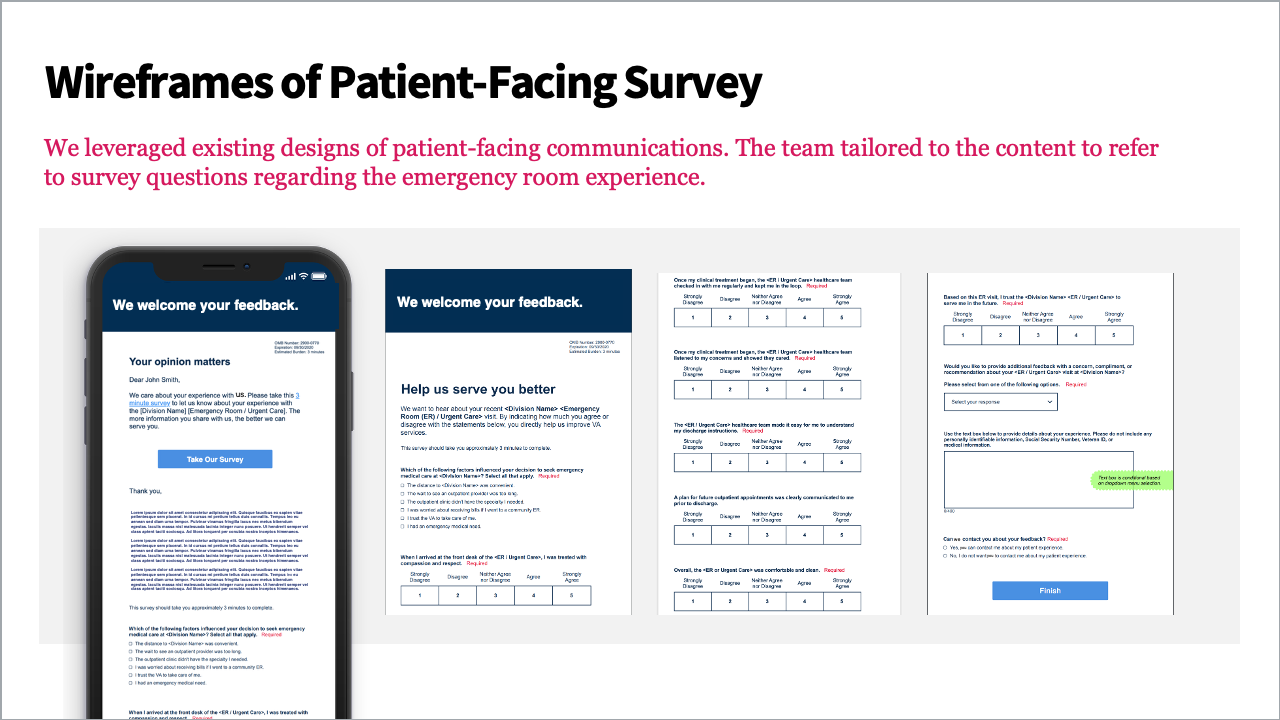
What happened next?
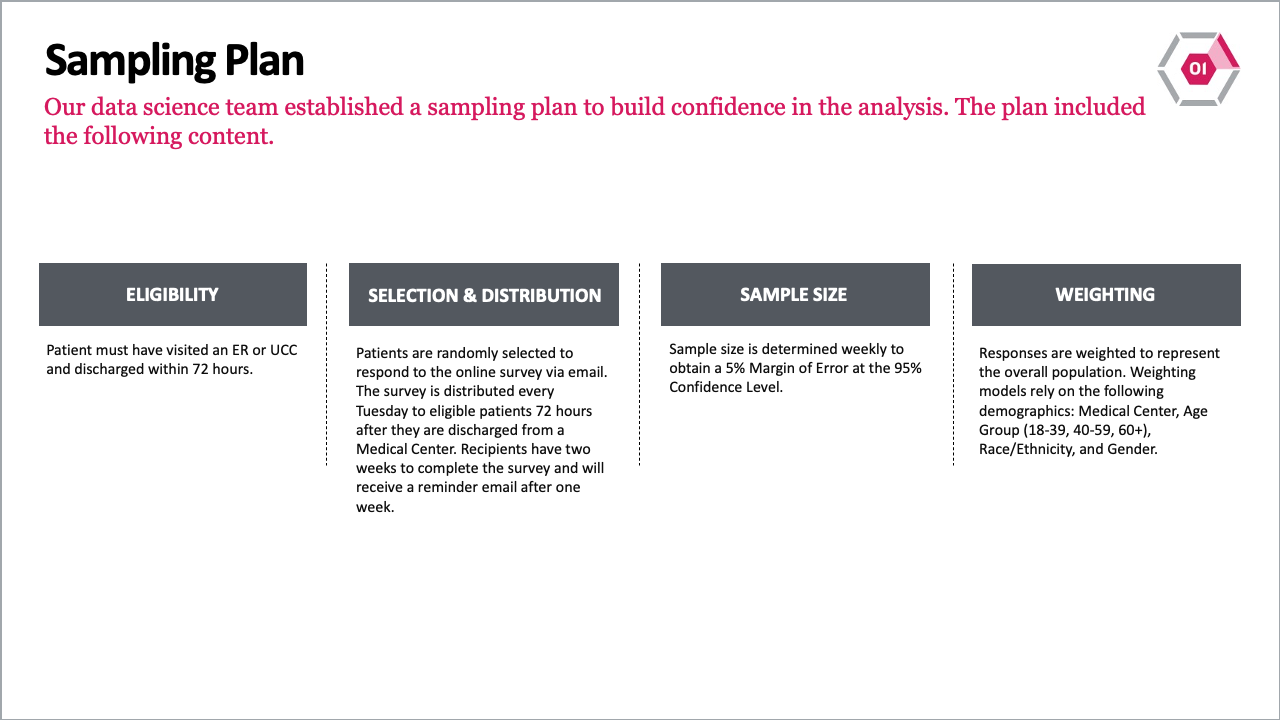
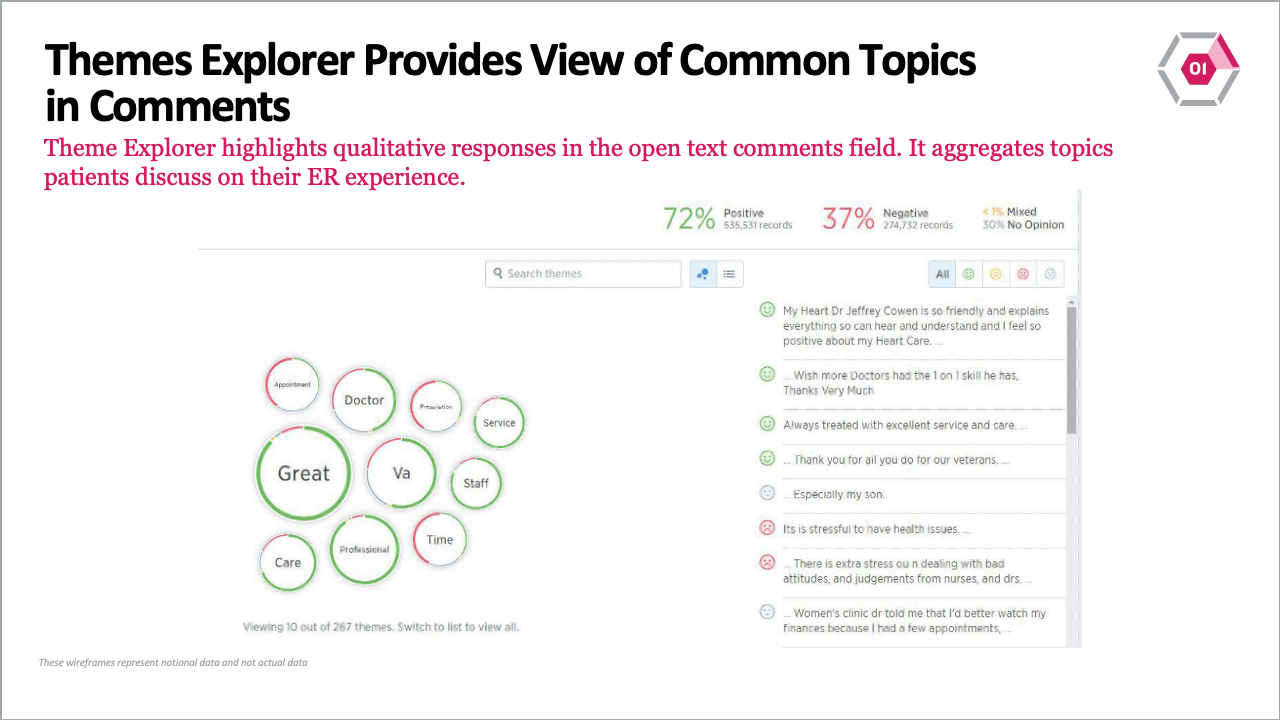
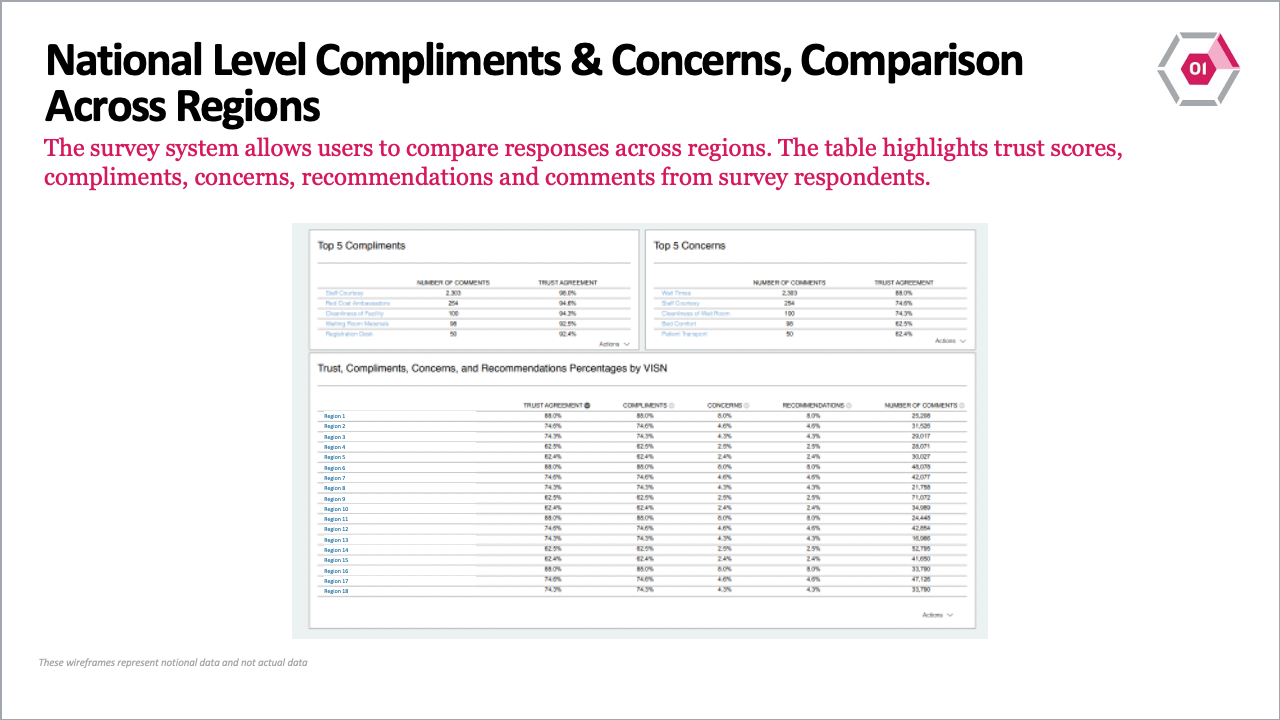
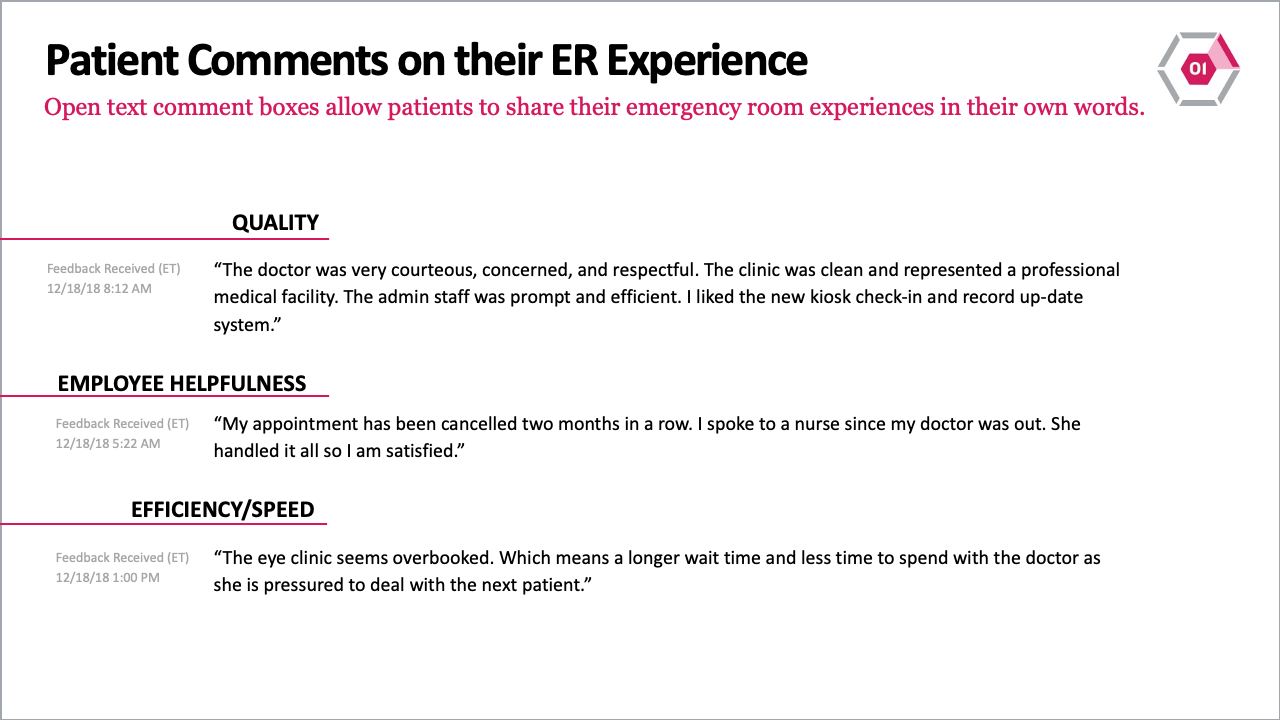
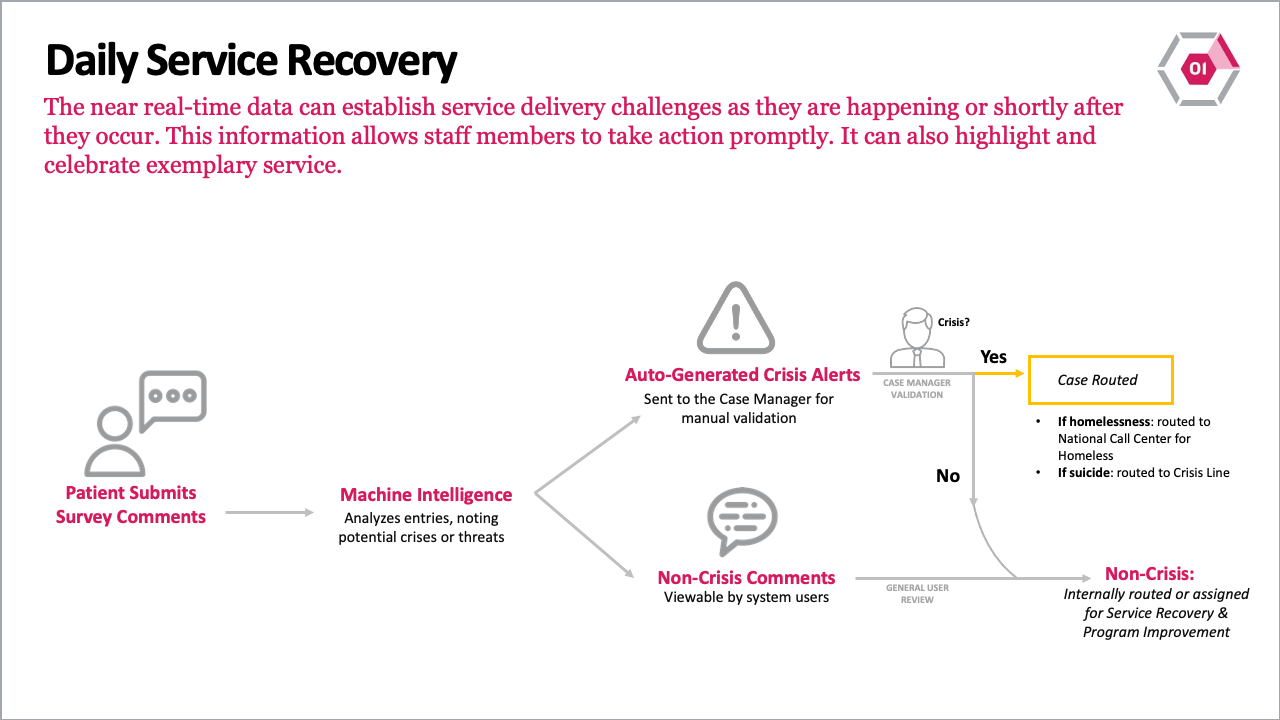
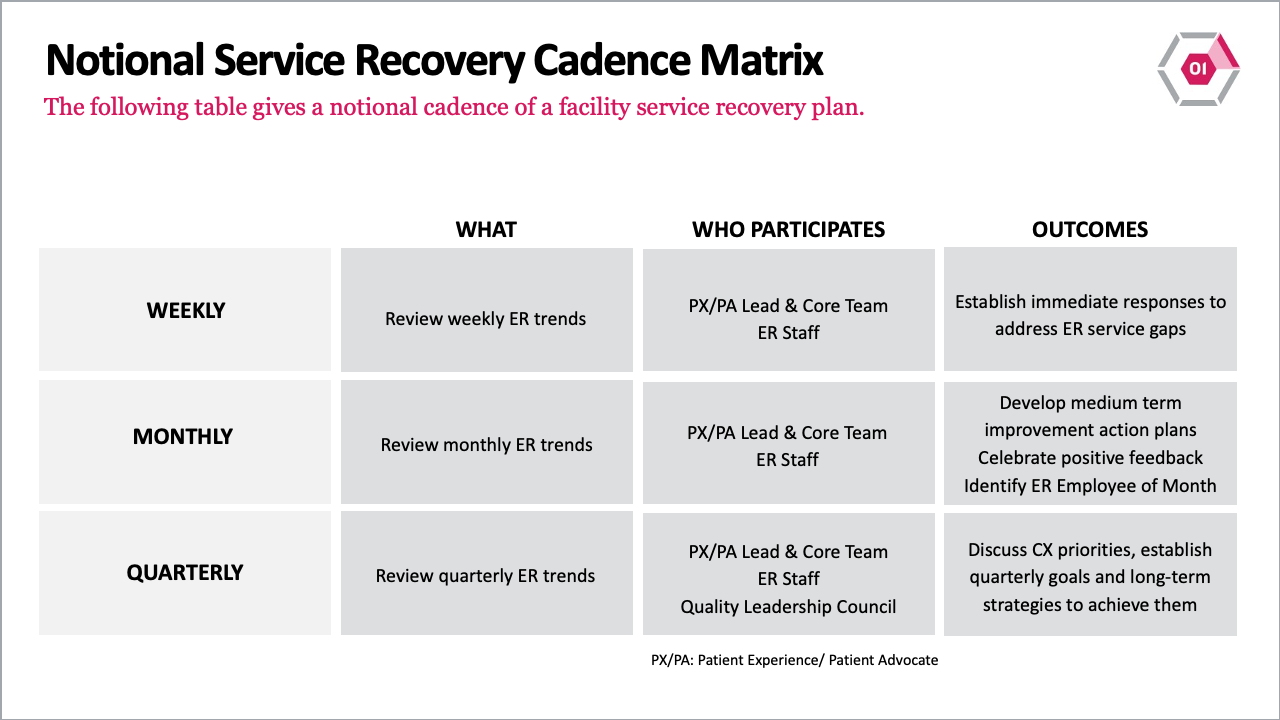
Selected hospitals continued to iterate on our solutions — incorporating feedback and then conducting more evaluations to improve patient experience. Additionally, our emergency care patient survey continues to collect data even today, amassing over one million responses to date. These insights have been presented to Congress to inform policy decisions and advocate for funding. As a result, the survey remains a critical benchmark for measuring and improving hospital performance.
Reflections
Emergency care is where urgency meets vulnerability, and I'm proud to know that our solutions have contributed to better patient experiences. Every data point in our survey responses represents a person seeking help during what may be their most difficult day. Beyond the data, it’s the human that stays with me: the knowledge that our work helps ease burdens, elevate standards, and ensure no voice goes unheard.